Persistence is key to graduation: The benefits of college coaching
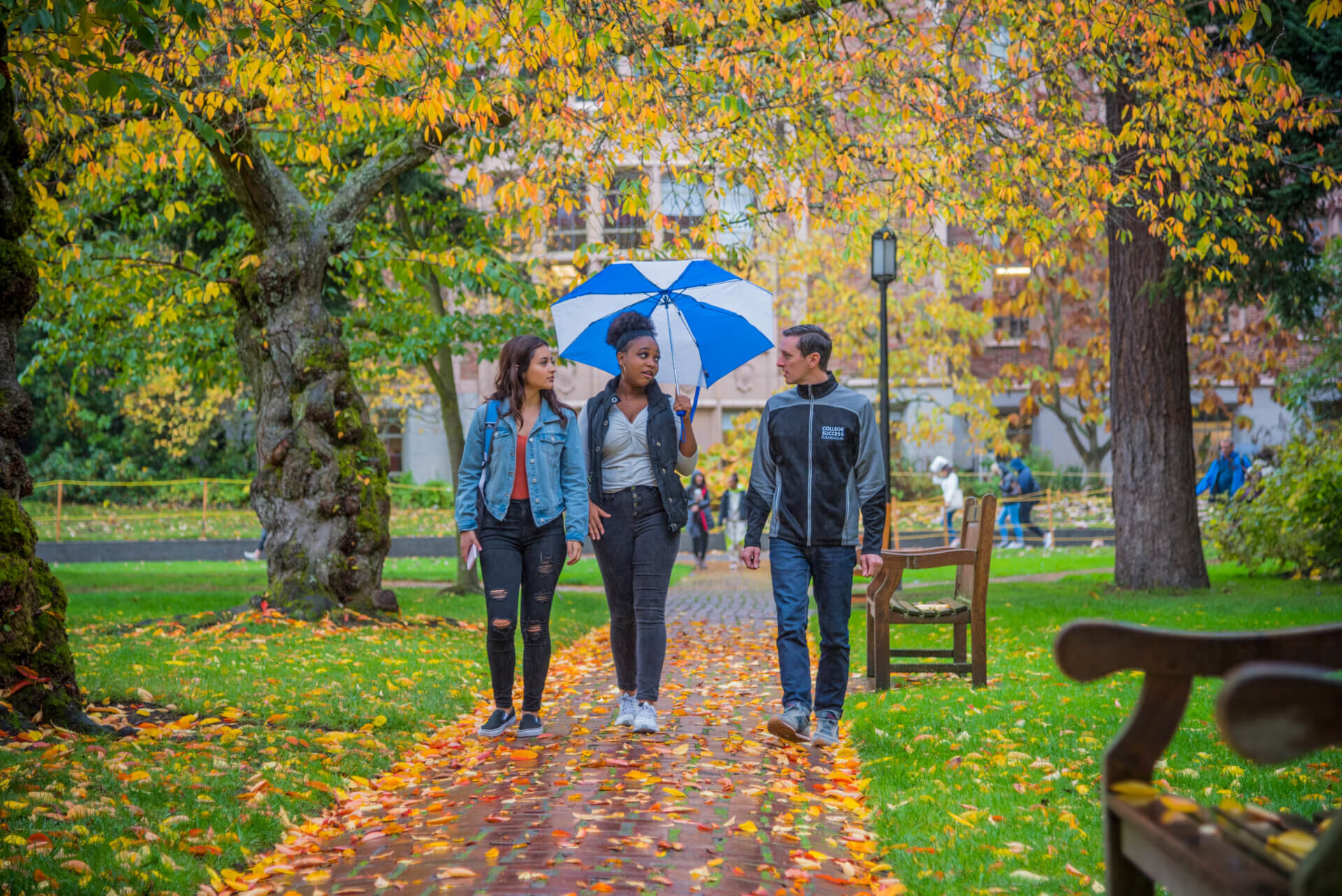
We spoke with Robbie Lang, interim director of College Success Foundation’s college services, for an insider’s look at how CSF’s personalized coaching approach helps keep college students on the road to graduation day. The work Robbie and the CSF coaches do is critical this time of year—as one academic term ends right before the holidays, and the next one begins in the New Year.
Increasing persistence goes hand-in-hand with increasing college graduation rates––especially for those who have been traditionally underserved.
This year, CSF, in partnership with Washington Student Achievement Council (WSAC), expanded its coaching services to 5x more college students in Washington state to reverse the pandemic-related drops in enrollment and persistence.
What is a college coach and what are the benefits?
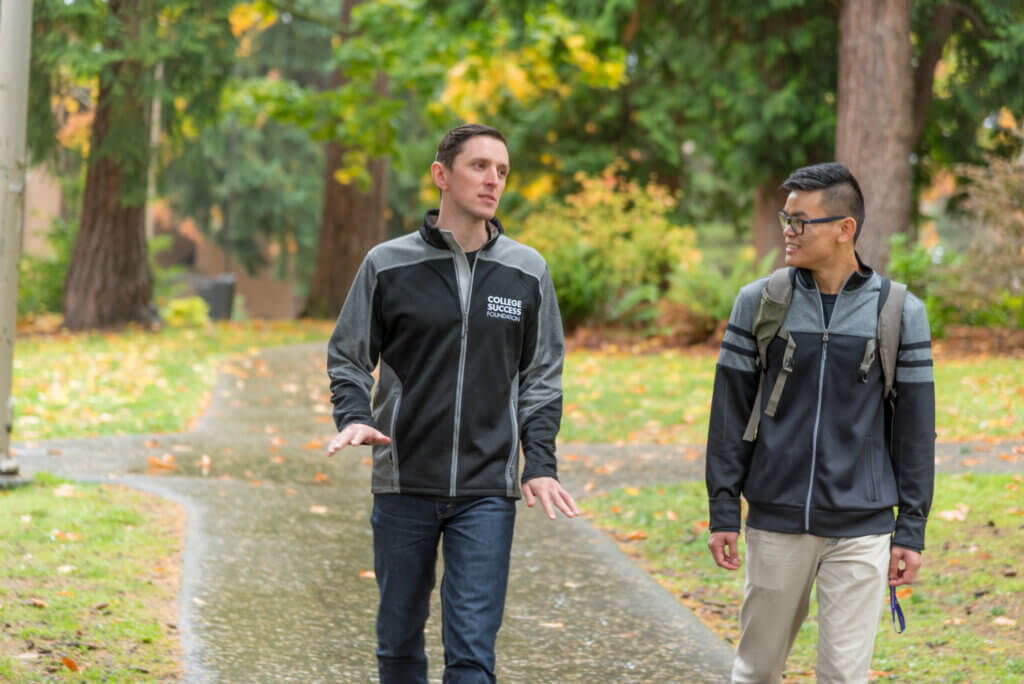
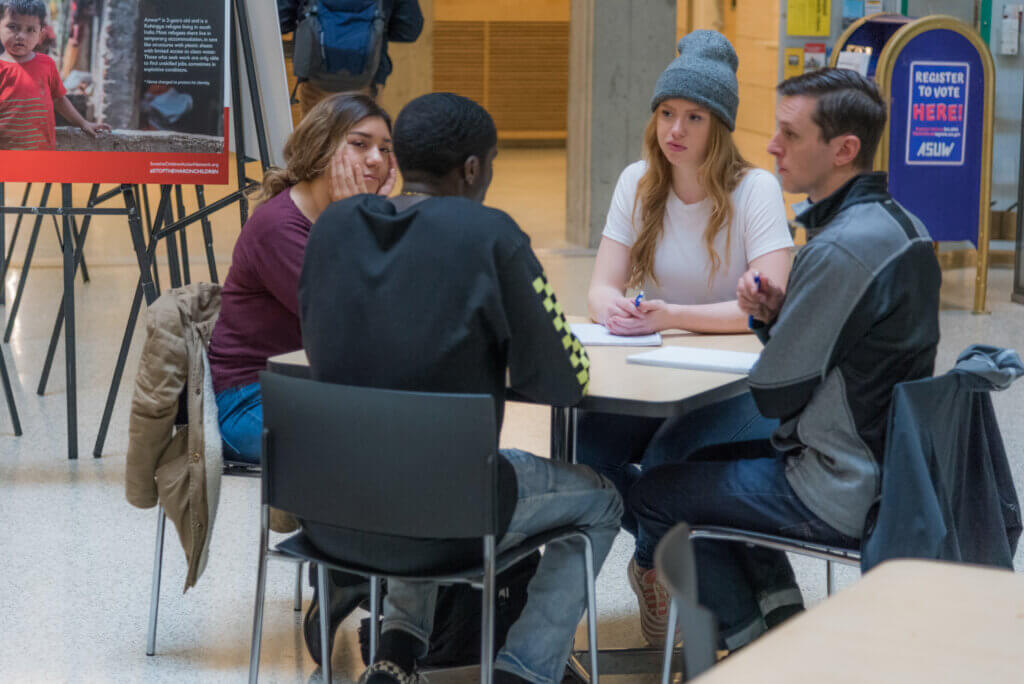
Robbie: CSF coaches build trusting relationships with CSF Scholars—to support their academic and personal success. Working one-on-one or sometimes in small groups, coaches partner with students to understand their goals and help them set effective plans to reach them. Coaches also provide opportunities for students to practice and build relevant skills, such as time management, effective study habits, budgeting or building a professional network.
Why is persistence a primary goal for coaches?
Robbie: Students must navigate so many new things when they get to college, and that’s why we offer targeted support for students who are in the first or second year of their college journey—when leaving college early is more likely to happen.
For instance, challenges like understanding one’s financial aid package, managing indirect college costs or adjusting to the increase of studying required for college courses can disproportionately impact students of color, first-generation college goers and students from low-income households.
There’s often no safety net for young adults in college. If just one thing goes wrong, it can threaten a student’s ability to stay enrolled. Having a coach in your corner throughout this critical life transition can help students persist from course to course, term to term and year to year.
Robbie supported CSF Scholar Jacob through a challenging time between his first and second years in college. Today, Jacob is a junior with his sights set on becoming a physical therapist. Read Jacob’s story to see how CSF coaches like Robbie help college students persist.
How did the pandemic affect the way coaches serve students today?
Robbie: During the height of the pandemic, when most campuses were closed and classes were virtual, many students struggled—especially those with a strong preference for in-person instruction. Students needed a lot of support to maintain focus and motivation during remote classes. Even though all the coaching meetings were conducted virtually, students reported appreciating the accessibility of their coach and the active listening and support they provided during a period of peak isolation.
Now, campuses are back to providing in-person instruction along with more online and hybrid options than before the pandemic started. That’s why we now have a greater mix of on-campus and remote (virtual) coaches across the state. Whether in-person or online, coaching sessions largely remain one-on-one, where students receive the undivided attention of their trusted coach.
Throughout the pandemic, we also supported students with emergency financial assistance through CSF’s Emergency Fund. We continue to use this fund to help keep students on track.
How does CSF’s Emergency Fund work?
Robbie: College students today face unmatched financial obstacles to cope with the monetary demands of college life. One in three college students is at risk for food insecurity1. One in ten experience homelessness1. CSF’s Emergency Fund allows CSF Scholars to apply for and receive short-term and/or one-time assistance for financial emergencies that impact their continued enrollment in college. Students can receive up to $500 each academic year—which can make all the difference for students to persist through an unforeseen budget-breaking event and stay in college.
What advice do you always share with your students?
Robbie: Many of the students we serve do not have the “social capital” that many of their college peers can tap into when searching for a job after graduation. One of the best ways to build a professional network is through informational interviews. These interviews can be extremely valuable, and students can do them while still in college.
Most people are happy to talk with college students about what they do and how they got into their field. They are willing to share advice, recommendations and even make introductions to people in their network to help schedule more informational interviews. By the time graduation rolls around, students have developed a great start to their professional network—with contacts they can call on when they begin applying for jobs.
Help more students benefit from college coaching with your gift today.