Student spotlight: Rosie Lutgen
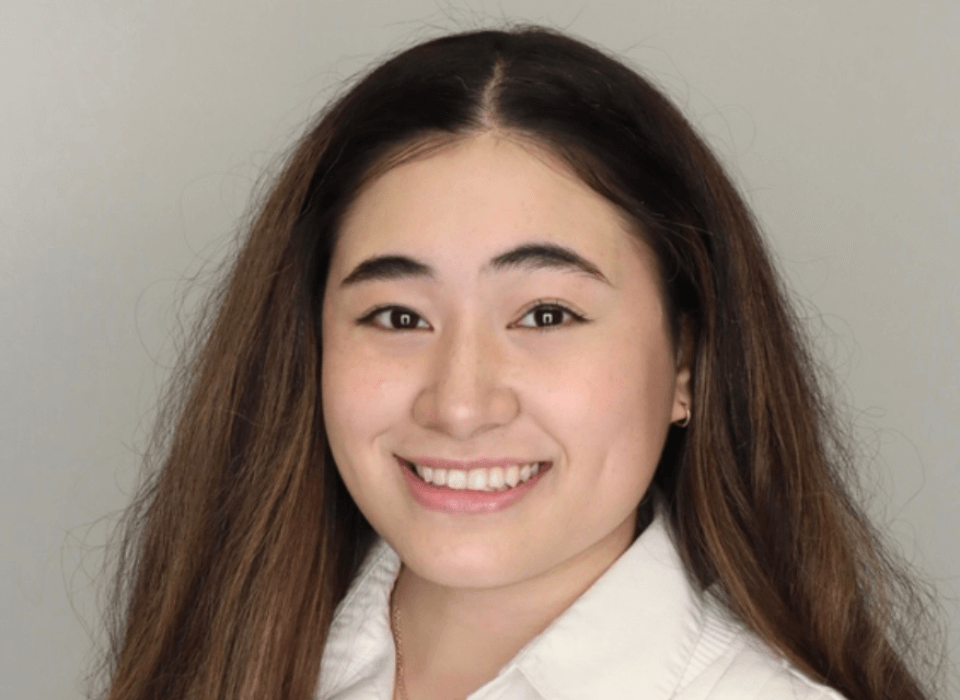
Meet Rosie Lutgen, an American Samoa student from Yakima, WA attending the University of Washington. Currently studying Public Health with a minor in Public Policy, Rosie aspires to work in county or state-level health departments. Despite challenges navigating academic pressure, Rosie advocates for seeking help and embracing new experiences, emphasizing the importance of taking chances for personal growth.
What is your hometown?
I was born in American Samoa but later moved to Yakima, WA, a place I proudly call my hometown. Yakima is a somewhat rural community known for its agriculture, and I lived in a suburban area with limited diversity.
How did you choose the University of Washington?
In high school, I heard about the impact that the College Success Foundation had in helping students pursue college. Maria Urena, the CSF advisor at my school provided me with a lot of help in applying for scholarships and exploring my options for college. Thanks to CSF’s support, I had the opportunity to tour the University of Washington, Washington State University, Western Washington University, and Seattle Pacific University. Among these options, the University of Washington stood out to me the most because of its diverse community and campus resources for first-generation students.
What is your major?
I am currently majoring in Public health with a minor in Public Policy. I initially wanted to major in Biology, but after completing a few STEM courses, I realized that laboratory work did not resonate with my interests. Being part of PI [Pacific Islander], the Public Health major aligned with my desire to focus on preventative health for underprivileged groups and giving back to the communities I come from and the people who raised me.
What is your dream job?
I’m still figuring that out! Ideally, I would like to work at a county or state-level health department. My decision to pursue a minor in public policy started because I realized how intertwined policies are with public health initiatives. That said, if I were to work for the Department of Health it would be important to understand the logistics of creating policies and enforcing them in communities. Understanding the nuance in my Public Health and Public Policy discipline is something I find both interesting and important to the work I want to do.
Are there any clubs, activities, or interests you participate in outside of class?
Last year, I had the pleasure of serving as the President of the CSF Club at UW, which was a rewarding experience. It was fun being able to find new ways to engage with students and give back to the community that brought me up, especially with how much CSF has done for me up until now. Nearly all of the students are first-generation students of Color and come from similar backgrounds, so the community we’ve created feels uplifting and welcoming. I am also an active member of the Polynesian Student Alliance Club. The club offers an inclusive environment for anyone who wants to connect to their heritage or explore Polynesian culture.
What has been the most surprising thing for you so far about college?
I think the most surprising thing for me has been realizing that there are many different pathways you can take to achieve your goals. For example, you could ask me what my dream job is, but I think it’s more effective to ask me what problems I want to solve. Finding your niche is a process of trial and error. I’ve bounced around a lot, exploring several different interests, but the important thing is that you don’t have to be perfect. It was also a big shock to see how grades are treated in high school versus college. You can and should work hard to maintain A’s and good grades, but by no means do you need to be perfect to succeed. Doing your best is often more than enough.
What challenges have you encountered in college and how did you navigate them? (or how are you navigating it?)
A lot of my challenges in college came down to my perceptions of success and academic excellence. Navigating through it, for me, meant relying on the clubs and communities I’ve become a part of and interacting a lot with the coaches and my peers to expand my perspective on success and what it looks like. It’s also important to ask for help when you need it, especially on a big campus like UW. I didn’t have many upperclassmen to inform me, but now that I am an upperclassman and have the experiences of a student who has been around, I’m trying to be someone who doesn’t gatekeep knowledge and helps others. I still feel a bit of pressure to share when I don’t know something and need guidance, but I’ve learned to become more comfortable with acting on that pressure rather than ignoring it.
What student supports/resources have you utilized that have been most helpful to you?
Undoubtedly, CSF has been instrumental in helping me get to where I am, both in high school and college. Other resources I have utilized include the Office of Minority Affairs & Diversity (OMA&D) in Mary Gates and tutoring services at the IC (Instruction Center). Moreover, my family has been my pillar of strength as I navigate the challenges of being a first-generation college student. Their support has given me the confidence to pursue my studies and I am incredibly grateful to them.
What is one piece of advice you’d like to share with your fellow students?
Challenge yourself to ask for help, explore opportunities to say yes, try new things, and explore different avenues to see what’s out there. For example, I wasn’t sure if I should try to be a CSF club officer, but I thought to myself “Why not?” and just went for it. It was very much a you-miss-100%-of-the-shots-you-don’t-take kind of mindset that I’ve tried to internalize as I make my way through college. I admit that I’m still working on that, but I’m better than I used to be and that’s what matters.