Keeping mental health top-of-mind: Tackling the mental health crisis among young adults
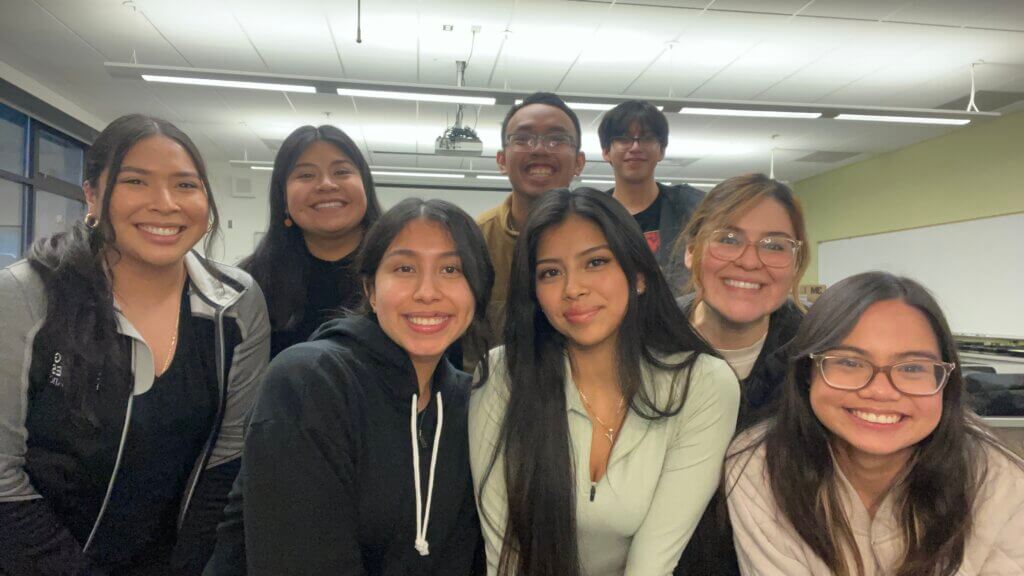
It seems you don’t have to go far to read another headline about today’s mounting mental health crisis among children and adolescents. But contrary to popular belief, data shows that the mental health crisis of today is not a product of COVID, but rather a trend exposed by it.
According to a recent article by Newsweek, in 2019, over 1 in 3 of America’s teenagers reported feeling sad or hopeless to the point of skipping out on routine activities; that’s a 44 percent rise in ten years. 1 in 6 of those teenagers contemplated suicide.
Social isolation as a result of the global pandemic has exacerbated the causes for alarm. Emergency-room visits for suspected suicide attempts rose by 50 percent for adolescent girls and 4 percent for boys during the pandemic.
Supporting whole student well being
It’s a grim reality our CSF Advisors and college coaches are intimately familiar with, working on the frontlines of educational institutions intended to cultivate social connection and prepare young adults for the uncharted frontier of independence before them.
Galvanized around the effort to support whole student well being, our staff have recognized the critical need to evolve CSF programming in order to meet the severities our students are facing. All CSF advisors have prioritized a focus on self-care strategies that target specific ages and offer solutions/practices focused on these particular developmental stages.
When students are experiencing mental health challenges, it can take a significant toll – not just on grades and academic performance, but in many areas of the student’s life. It’s so important for students to have trusting relationships with knowledgeable and caring adults who can listen and partner with them in identifying the right resources that will help them succeed.
Robbie Lang, interim director of CSF’s College Services
Putting mental health front and center
At the University of Washington in Seattle, CSF Program Manager Rosalynn, who oversees the campus’s CSF club, has witnessed an overwhelming response to club meetings that emphasize discussion of mental health.
“The line is often out the door,” she explains. “Due to highly competitive admission standards and rigorous programs of study, students often feel a sense of inferiority or imposter syndrome as well as a need to disguise or mask these feelings. The CSF community at UW Seattle works diligently to change this undercurrent.We check in on their mental health, finding healthy and effective resources to promote stress management, compassionate self-assessment, and safe spaces for them to discuss their issues with coaches or peers.”
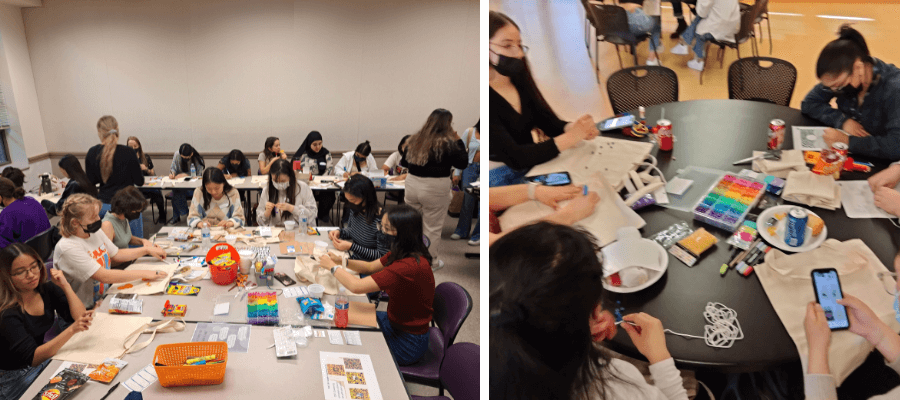
Creativity is part of the job. Rosalynn and the students she deputizes to help lead CSF club meetings have designed specialized gatherings where crafts like journal decorating and a coloring station, complemented by a presentation on self-care, leave students soothed, stimulated and inspired by the student community. If anything, with focused attention on and normalized discussion of mental health in a public forum, students know they are not alone.
Community cultivation when it matters most
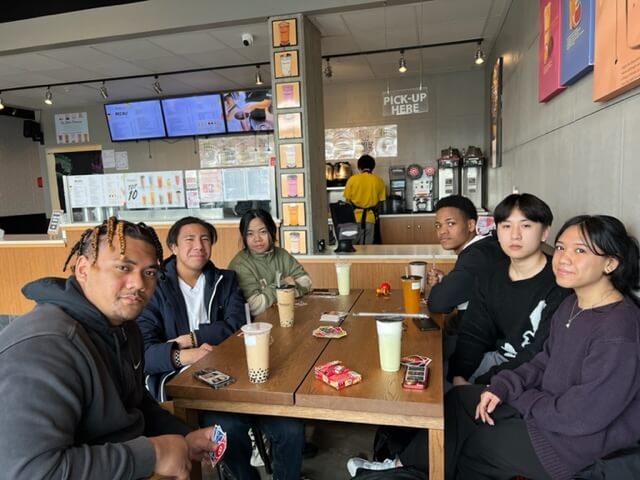
At Eastern Washington University, the campus CSF club meets consistently every week for various activities. Bowling, movie nights, and theater visits enable students to foster a sense of community with their peers and provide organized levity to take their minds off the stress of academic pursuits.
“Providing resources to holistically support our scholars includes a focus on physical and mental health,” says Zach, CSF Tacoma’s Program Manager. “We provide a space and the resources for our students to share challenges and seek solutions to their problems. Increasing office hours has helped our students to connect with us and has been particularly meaningful following the famine of social contact during the pandemic.”
Sometimes it’s a matter of making sure my coaching sessions with students are known as a space to talk rather than an advising session.
CSF College Coach Sophie

Transparency and compassion
When it comes to mental health, our staff recognize the imperative of not shying away from hard conversations. If we don’t speak of the elephant in the room, how can we truly heal the wounds that hold us back? For CSF College Coach Brenda, she feels it’s her duty to speak transparently and compassionately to the stakes of depression and loneliness. “During the holidays, I sent out a text to my students offering my support,” she recalls. It warmly read:
Happy holidays, I hope you achieve all the goals you set for yourself for 2023! I also want to acknowledge that the holidays can be a difficult time for some, remember you are LOVED. Check in on your friends and family, but don’t forget to check in on yourself. If you’re needing to talk to someone, dial 988 ❥ I’m a part of your support system as well, so please NEVER hesitate to reach out 🙂 With love, Brenda
Ideas for sparking engagement around mental well-being
For our readers who work with students and young adults, here are some additional tips we’ve gathered from our advisors and coaches to inspire deepened strategies for mental health engagement:
- Hold self-care, drop-in days on-campus with no-cost, low-barrier activities (like crafts, card and board games, etc.) to give students a brain break.
- Have “take a break” bags with study snacks and backup school supplies ready for students who stop by for coaching and advising appointments. Specially curate the bags around midterms, finals weeks, and holidays.
- Start a new academic term by dropping off care packages to students with hot cocoa, healthy snacks, stress balls, headphones, etc.
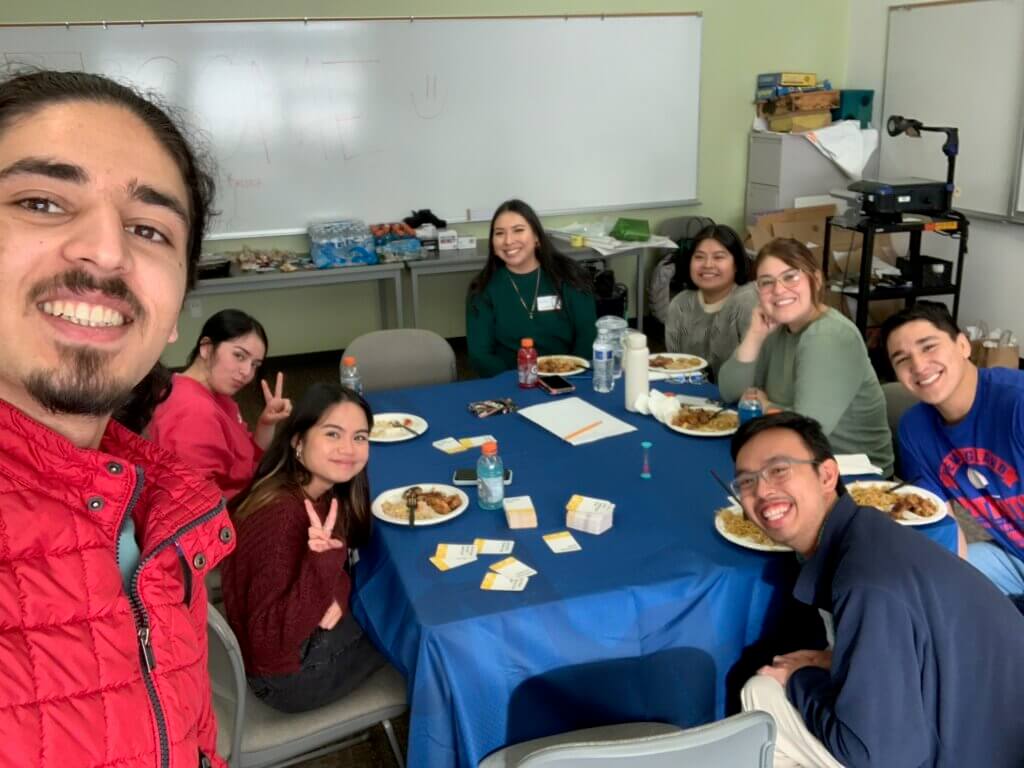
- Hold community-building events like bowling or movie nights during traditionally difficult times of the year (e.g. 1st semester, winter break) for students who yearn for a sense of belonging.
- Expand your drop-in hours during naturally stressful times of the year (e.g. start of the term, finals week, etc.)
- Listen. Sometimes students just need to have someone who will actively listen. It isn’t always about just giving academic or career advice.
- Encourage. Developing a language around emotional states is a learned skill. Encourage students to pay attention to their feelings and express them freely in a non-judgmental environment.

Additional mental health resources gathered by our team
Websites:
- innerbody’s Comprehensive list of mental health resources for BIPO Community
- Health Care Authority mental health services those enrolled in Apple Health (Medicaid)
- Seattle & King County Public Health mental health resources
- Resources to Recover mental health resources in Washington state
- Megan Thee Stallion’s mental health support community
Instagram accounts: