From Homeless to Hired: A CSF Alum’s Top Five Tips for College and Career
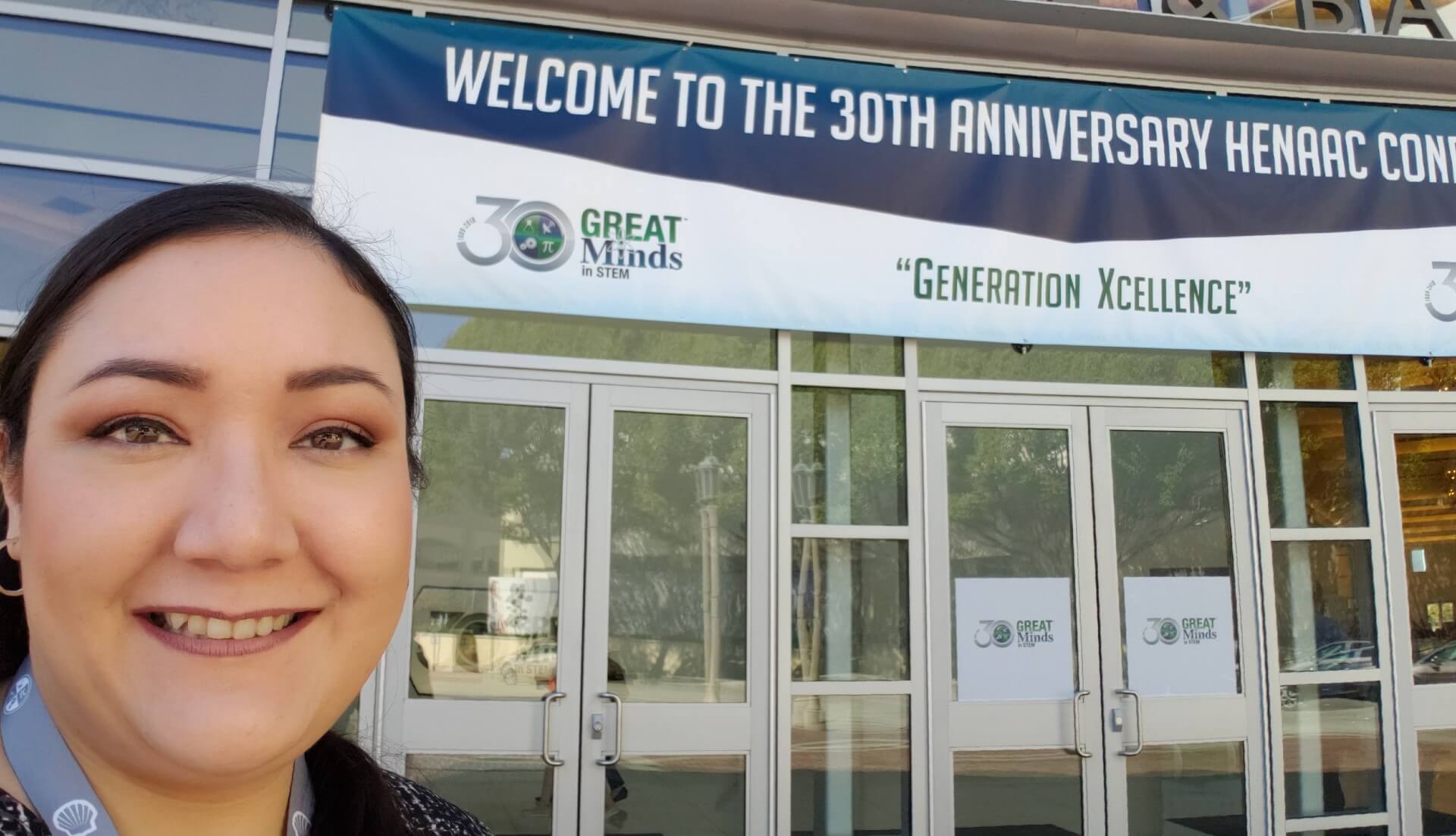
As a first-generation college graduate and master’s degree holder, CSF alum Sophia Hamm faced numerous challenges on her path to working in the tech industry. Read on to learn more about her experience and tips for first-gen college students.
Growing up in poverty, I experienced homelessness at a young age and the stressors of relying on food pantries and welfare. As I transitioned into adulthood, I had no financial safety net while I navigated new academic and professional environments.
The odds are stacked against first-gen college students, particularly those from low-income backgrounds, so I want to share my top five lessons learned for first-gen students, along with insights for schools and employers looking to better support this population.
Lesson Learned #1: Seek Out Examples and Mentors
As a first-gen student, there’s a good chance you don’t have family members who can guide you through schooling and career challenges, so you might have grown accustomed to relying heavily on yourself. That was the case for me. However, you don’t know what you don’t know — so external examples are crucial!
I highly recommend reaching out to professionals in your desired field for informational interviews (a casual conversation where you ask questions about their schooling and career path) using Linkedin or your network. Additionally, leverage resources like Google and social media platforms such as TikTok to search for as many points of information and examples as you can: school graduation statistics, company salaries, example interview questions, how-to guides, personal stories, etc. First-gen individuals often face significant disadvantages and “gatekeeping” when it comes to accessing the same knowledge and connections that come more easily to those from more privileged backgrounds. Being proactive about seeking out examples, mentors and resources is absolutely essential to bridging those gaps.
If you’re unsure how to leverage LinkedIn for informational interviews, here’s a quick tutorial: Let’s say you aspire to become a marketing manager in tech. Start by searching for that job title in the top left corner of LinkedIn. Then click the “People” button near the top of the page to see a list of individuals currently in that role. Look for first-degree (i.e., direct) connections, as well as second-degree connections, meaning you have a mutual connection. For second-degree connections, ask your shared contact to introduce you. Alternatively, click “All Filters” to find common ground with someone in that role — shared schools or interests are a great way to start a conversation. Professionals are often eager to provide guidance to students, so don’t hesitate to reach out! Here’s a great article on why first-gen students should be on LinkedIn.
Another resource I recommend is the Ask a Manager blog. I read it every day in my early 20s, and the stories and questions taught me so much about career navigation that I hadn’t ever thought to ask about.
Lesson Learned #2: Be Vocal About Advocating for Yourself
I remember a time in college when I was struggling in a class but didn’t speak up until final grades were about to be posted. When I asked the professor about extra credit opportunities, she questioned why I hadn’t come to her earlier. In hindsight, it seems obvious now, but as a first-gen student, I simply didn’t realize I could have ongoing communication with my instructors about academic or personal difficulties.
Later, when pursuing my MBA, a family health emergency coincided with a major exam. This time, instead of suffering in silence, I reached out to the professor to request an alternative testing format, which she readily approved. While not all instructors may be flexible, many are willing to work with students who advocate for themselves early. I’ve also had success asking to use older textbook editions to save money.
The key takeaway: you are your own best advocate. Don’t hesitate to speak up when you’re struggling or when you have a reasonable request. People are often more understanding than we assume.
Lesson Learned #3: Prioritize Your Studies and Future Career
I made choices in college that didn’t fully prioritize my academics, like navigating a lengthy daily commute to save money and be home for my mother. In hindsight, I see how that impacted my GPA and limited my future opportunities. I had been raised to believe that the degree itself was the most important thing, not grades or experiences along the way. Many employers, however, care a great deal about both grades and relevant experience.
I deeply understand the desire and necessity to help your family or save money, but I encourage you to be very intentional about balancing those obligations with a strong academic and career focus. Your GPA and experiences during this short window in your life can make a significant difference in your career trajectory and your future ability to support your loved ones. A common refrain I hear from first-gen college graduates is, “I am my parents’ retirement plan,” which makes being future-minded all the more important.
Lesson Learned #4: Gain RELEVANT Experience Early and Often
During my time as a career advisor while pursuing my MBA, I met a number of students nearing graduation who had stellar GPAs but little to no relevant work experience. Some had a lot of experience, but it was in jobs such as working in a cafeteria, rather than internships or roles related to their competitive career goals. Don’t make that same mistake. Relevant experience is the MOST critical factor in being a competitive candidate for future internships and jobs, so it’s vital you do everything in your power to gain as much experience as possible before graduation. Don’t stop at just one internship; pursue several to build up your resume and lay a solid foundation for future roles in your chosen field.
Sometimes, however, it’s not so straightforward. As a new graduate, I made the mistake of taking a job that wasn’t well-aligned with my career goals because it paid a little more and was closer than a much more relevant job. You may face a similar situation where you need to consider a low-wage or even unpaid internship in your desired field. I understand more than most that the financial hurdles for first-gen students can be mountainous, but if you’re at all able, the upfront sacrifice of taking a less lucrative but more relevant internship or new graduate role can pay tremendous dividends down the road.
If you are struggling to land an internship, you may be able to create your own. When I was pursuing my MBA, I couldn’t find an internship during the school year. So, I approached a non-profit and offered to volunteer as a marketing intern, and they welcomed me with open arms. The lesson: do everything you can to get relevant experience in your resume!
Lesson Learned #5: Know That Nothing is Out of Your Reach …
… and that early setbacks often stem more from circumstance than capability.
Many first-gen students struggle with the transition from high school to college due to factors beyond their control. I’ve seen and experienced how some first-gen students struggle in college at first, then turn things around in their second or third year, having finally learned to navigate the system. Unfortunately, these early setbacks can compound. A bad first year can mean it’s too late to gain admission to highly competitive majors like engineering or business. These compounding disadvantages can make it feel like your peers are racing ahead while you’re falling behind. For others, college may go smoothly but they encounter new obstacles after graduation. I’ll admit, I internalized my struggles to mean I wasn’t cut out for a career at a major tech company. But I was wrong. If you stay persistent and keep learning, you can achieve your goals, no matter how daunting they may seem.
If you do find your career feels off track due to early challenges, remember that you have options. As mentioned in the previous tip, you can look for opportunities that offer less stability or pay, but help you gain relevant experience. Explore short-term contractor work, staffing agencies and volunteer opportunities. Another option is graduate school. While expensive, it can be a way to pivot your career, but ONLY if you 1) carefully research the return on investment and 2) ensure you have, or can gain, the necessary experience to be a competitive job applicant afterward.
In Conclusion
Fifteen years ago, I never imagined I’d have worked at companies like IBM or Amazon, but here I am. I will always be first-gen, and my career hasn’t followed a perfect map, but I know 19-year-old me would be in absolute awe of what I’ve accomplished and experienced. I know I’ve touched on many of the disadvantages and lack of knowledge that first-gen students face in this post. But if I could give my younger self or any first-gen student a pep talk, it would be this: “You are an open-minded groundbreaker who has already shown that you are special just by being here. You are already on an exponential curve, so don’t get discouraged when you compare yourself to others. There is no doubt you can make your dreams reality, because you already have.”