From Big Dreams to Big Tech
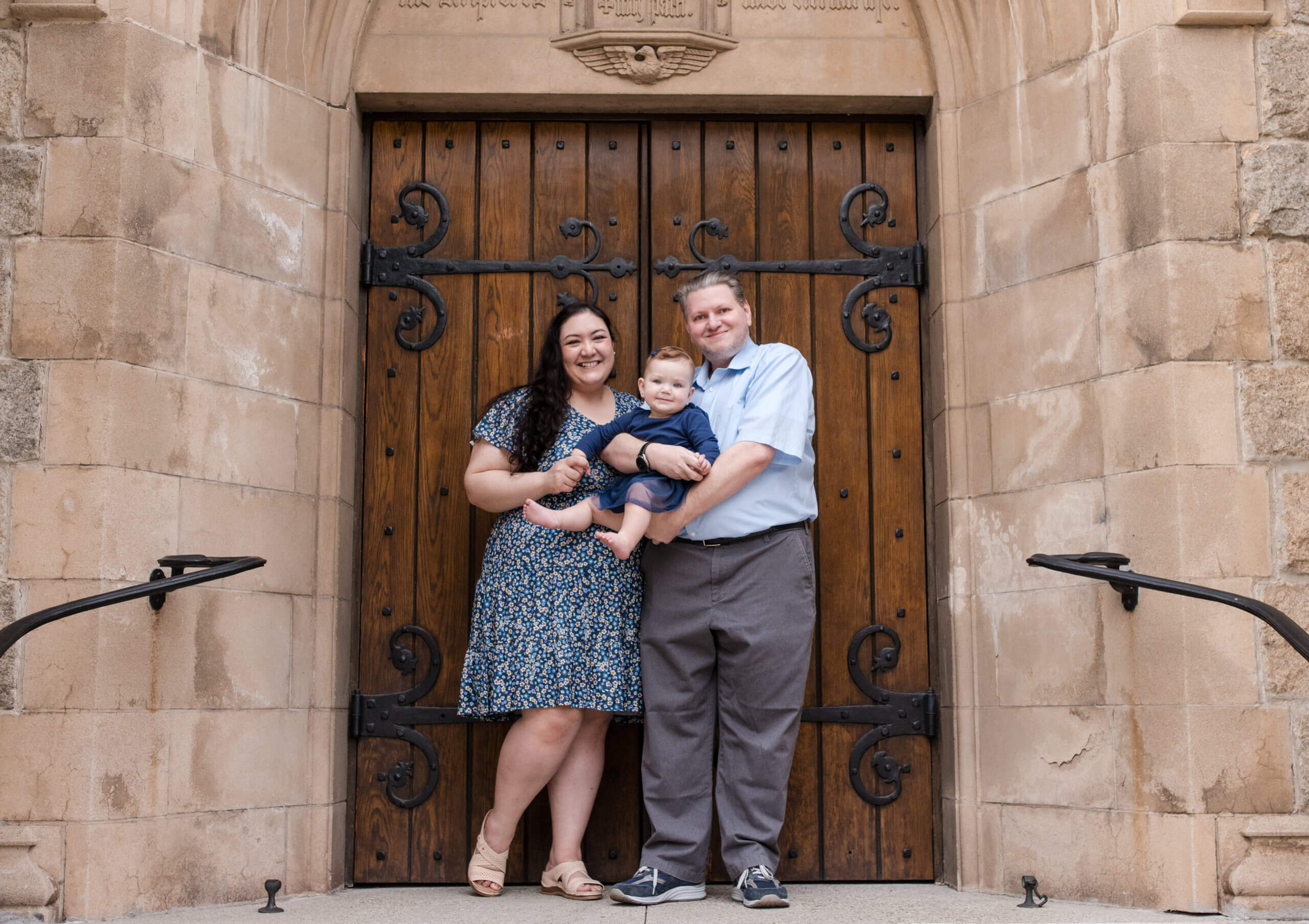
Successful tech professional and CSF alum Sophia Hamm has an enviable resume, with an MBA from the University of California, Irvine, and experience working for major players in the tech industry, including Blizzard, IBM and Amazon Web Services. But she’d be the first to tell you that making it happen wasn’t easy.
A first-generation college graduate, Sophia experienced homelessness in her youth, and she’s no stranger to financial insecurity. When she was young, she knew education was important — her mother made that clear — and she always wanted to go to college. She was a gifted student, and her ability was never in question. But as she got older, she realized that, without footsteps to follow in, she just didn’t know how to make it happen. “I wanted to go, but I didn’t have a clear sense of the steps I needed to take,” she says.
Blazing the Trail
That all changed in high school, when Sophia was introduced to College Success Foundation and her CSF advisor began helping her map out her college application strategy. “CSF helped me understand how to be a competitive applicant,” she says. She learned about specific actions she needed to take, such as applying to several schools (including local safety schools) and getting recommendations from teachers.
Sophia was also inspired by the college-going culture CSF promoted at her high school. “CSF created almost a fervor for going to college. Everyone was excited and talking about going to school,” she says. “It created a competitive spirit for going to the best colleges and getting money for college.”
“CSF created almost a fervor for going to college. Everyone was excited and talking about going to school.”
Figuring out how to pay for college was key. Sophia’s CSF advisor opened her eyes to all the options she could explore, from scholarships to grants, and to the first step: filling out the FAFSA. “I meet people today who didn’t have CSF in their life and never filled out the FAFSA,” she says. “CSF ensured that I knew how to fill it out and that I filled it out on time. It was vital that I had that support.”
Scholarships and grants in hand, Sophia was accepted to the University of Washington, and she looked close to home as she was deciding what she wanted to study. Her mom had had a hip replaced, and that led Sophia to major in biomedical engineering. Like many college students, however, she soon realized that her intended field of study wasn’t right for her. “I thought my mom’s hip replacement was really interesting,” she says, but she didn’t feel the same way about the classes she was taking. “I was taking chemistry and calculus, and I just didn’t find it that enjoyable.”
Sophia was still interested in doing something related to engineering, but she wasn’t sure what. Again, she soon found the direction she was looking for in her very own home. “I had written a lot of documentation to help my mom learn how to use a computer, so I looked at technical communication,” she says. She began taking classes about user experience (UX) design and technical writing and soon realized it was a much better fit.
When deciding on a major, Sophia considered the practical as well as the personal. “I had a very vague sense that I needed to earn money, and that was something I considered,” she says. “As someone from a low-income background, you know the downsides of not earning money. I didn’t want to depend on the government to survive, so I looked at how much I could earn in each major and picked one that would lead to a decent income.”

Closing the Gap
As an adult, Sophia can look back and see just how different her experience was from the experiences of her more privileged peers, and how important CSF was in narrowing that gap. For example, she rarely thought about the importance of planning in her younger days, but it’s now clear to her how key it is to opening up opportunities down the road. “CSF helped me understand how to plan and how to research things like FAFSA deadlines,” she says. “People from more privileged backgrounds are really planning. They have roadmaps, they’re planning their lives out years in advance, they’re thinking about return on investment.”
Today, Sophia is a happily married mother in addition to being a successful professional. She’s passionate about helping low-income students understand that help is there for them, and that taking advantage of that help is crucial. “When you’re that young, you hear words like ‘privilege’ and being ‘low-income,’ but you don’t always realize you’re underprivileged and what exactly that means,” she says. “If I had it to do over again, I would use all the resources and talk to every person I could. It’s OK and expected to ask for every bit of help you can.”
“If I had it to do over again, I would use all the resources and talk to every person I could.”
Above all, Sophia wants first-generation college students to know that anything is possible for them. “Looking back, I now know that if I really wanted to, I could do anything I wanted,” she says. “Nothing is out of reach.”
Read Sophia’s advice for first-generation college students!