Paying it forward: From student to college coach
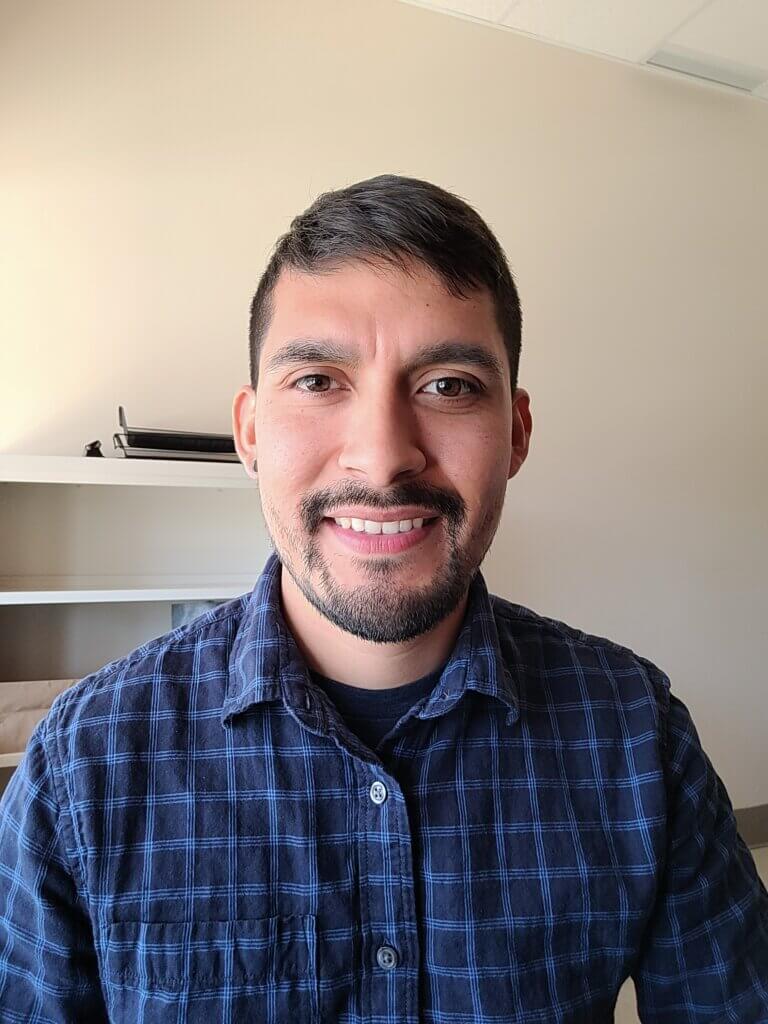
Born and raised in Central Washington, Ozzy Arroyo wasn’t sure college was for him. It wasn’t until his friend’s mother dragged him to a FAFSA workshop where he met a representative from Central Washington University (CWU) that he even considered life past high school. With the support of the federal College Assistance Migrant Program (CAMP) and TRIO program, Ozzy successfully completed college, earning his bachelor’s degree in public health from CWU.
After graduating, Ozzy had a variety of jobs related to education and social service as well as a couple of years in an interior design firm. However, he knew that he enjoyed working with college students and he wanted to give back. Now Ozzy serves as CSF’s Passport Coach at Central Washington University where he works with students who have experienced foster care or unaccompanied homelessness and who are pursuing a college degree.
How did you get interested in coaching?
My own college experience got me interested in coaching. As a first-generation college student, Icame into college with a lot of unknowns. I wasn’t sure what to expect or how the classwork was going to compare to high school.
I was raised by a single mother who grew up in a different culture, so college was something she didn’t know much about and she couldn’t help prepare me or support me in navigating college. I experienced a lot of exposure gaps. There were times when I struggled academically and it was the support that I got from my connections with TRiO and CAMP that really helped me stay focused and encouraged me to not give up. Now some of those people that supported me are just down the hall from my office and are my colleagues.
I just really want to give to others the same support I was given.
What’s surprised you most about coaching?
In the past, when I thought of coaching I was only thinking about coaching sports and someone pushing you and motivating you to reach your goals.
But in the college setting, coaching can be a lot of different things. Coaching is very student-centered. The student is in the driver’s seat and they get to decide where to go with things and what level of support they need. I was most surprised about the many hats that you wear as a coach. Some days you play the role of an advisor and some days you are really just a sounding board to listen because students just need someone to vent to. While you are listening to the student, it allows them to reflect on their own ideas and goals. On other days, I am pushing hard and advocating for students by going to different departments across the college. And then sometimes, I am just hanging out with students and becoming someone that they can trust and rely on.
Coaching is really holistic. We care about people not just as a student, but as a person. We care about more than just grades and want people to feel supported and healthy in all aspects of their lives. Coaching looks different from student to student.
What do you find most challenging about coaching?
I feel like it’s challenging to get people to buy into coaching and to understand what the role is, and what type of support I can provide for students. Coaching doesn’t have to be a highly-structured program. My work is typically less structured, and more student-driven. I give students space to share whatever they want to share. Then we have a conversation about what their priorities are, and how I can best support them. I think some students might view a college coach as someone who is going to tell them what they need to do, or what they might be doing wrong as a student, which can make them reluctant to meet with their coach. However, I think that once I get a student to come in for coaching for the first time, they realize how much control they have over the time we spend together, and how much they are actually listened to. Oftentimes this leads to students reaching out more often and scheduling follow-up coaching sessions.
If you have a passion for helping others, especially for helping students succeed in college, then this is the role for you. I feel really good about what I do. Every day when I go home I feel like I’ve made a difference. It’s a job but at times it doesn’t feel like it. It’s all about making connections with students and supporting them in whatever way they let me or want me to.
If you weren’t in coaching what would you be doing?
I really like working with college students and making higher education more accessible, so I think if I weren’t coaching that I would still be working in higher education in a role that would allow me to work directly with students.
What is something that might surprise people to learn about you?
I really, really like soccer. In addition to watching and following soccer, especially European soccer, I coach soccer. This is the third year I have coached youth club soccer seven months out of the year.
However, the funny thing is that I hated soccer growing up. I remember that as a kid I couldn’t kick the ball straight. So I really never got into it. But when I came to Central Washington University my roommate was super into soccer. We were in these tiny little dorms so I had no choice but to watch it. And then I really fell in love with it.
And now I am all about soccer. Every chance I get to watch soccer, I try to take advantage of it. I feel like soccer is lifelong learning. I’m always learning from other coaches or other players. I really enjoy it. It’s a big part of my life.